
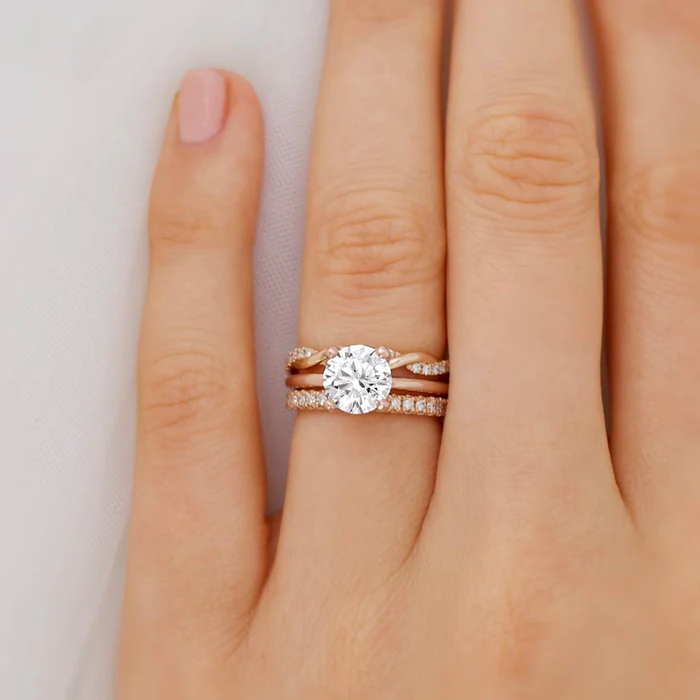
Alexandrite Jewelry in Art History: A Visual Journey takes us through the fascinating evolution of this rare gemstonehttps://www.mvslalgeria.org known for its captivating color-changing properties. From its discovery in the early 19th century to its status as a luxurious stone in contemporary designshttps://www.mvslalgeria.org alexandrite has enchanted jewelers and collectors alike. In recent yearshttps://www.mvslalgeria.org alexandrite has even made its way into popular designs for engagement rings UKhttps://www.mvslalgeria.org combining its beauty with the promise of a lasting commitment. This article explores how alexandrite jewelry has been used throughout art historyhttps://www.mvslalgeria.org highlighting its significance and allure across different artistic periods.
Alexandrite was first discovered in the Ural Mountains of Russia in 1830. It was named after Tsar Alexander IIhttps://www.mvslalgeria.org as the gem was thought to embody the colors of the Russian imperial flag—green by day and red by night. This remarkable color changehttps://www.mvslalgeria.org a result of the stone’s unique chemical compositionhttps://www.mvslalgeria.org quickly captured the attention of jewelers and the aristocracy. Its rarity and striking hues made it a symbol of luxury and opulencehttps://www.mvslalgeria.org and soon alexandrite began to appear in royal and aristocratic collections.
During the Victorian erahttps://www.mvslalgeria.org alexandrite was celebrated for its chameleon-like ability to shift between hues depending on the light. …